Blog
Hindi handa ang hotel mo sa habagat? 5 maintenance failures na lumalabas sa guest reviews bago mo pa malaman.
Karamihan sa small hotels at apartelles sa Metro Manila, hindi sa maintenance team nila nanggagaling ang first report ng problema. Sa guest review.
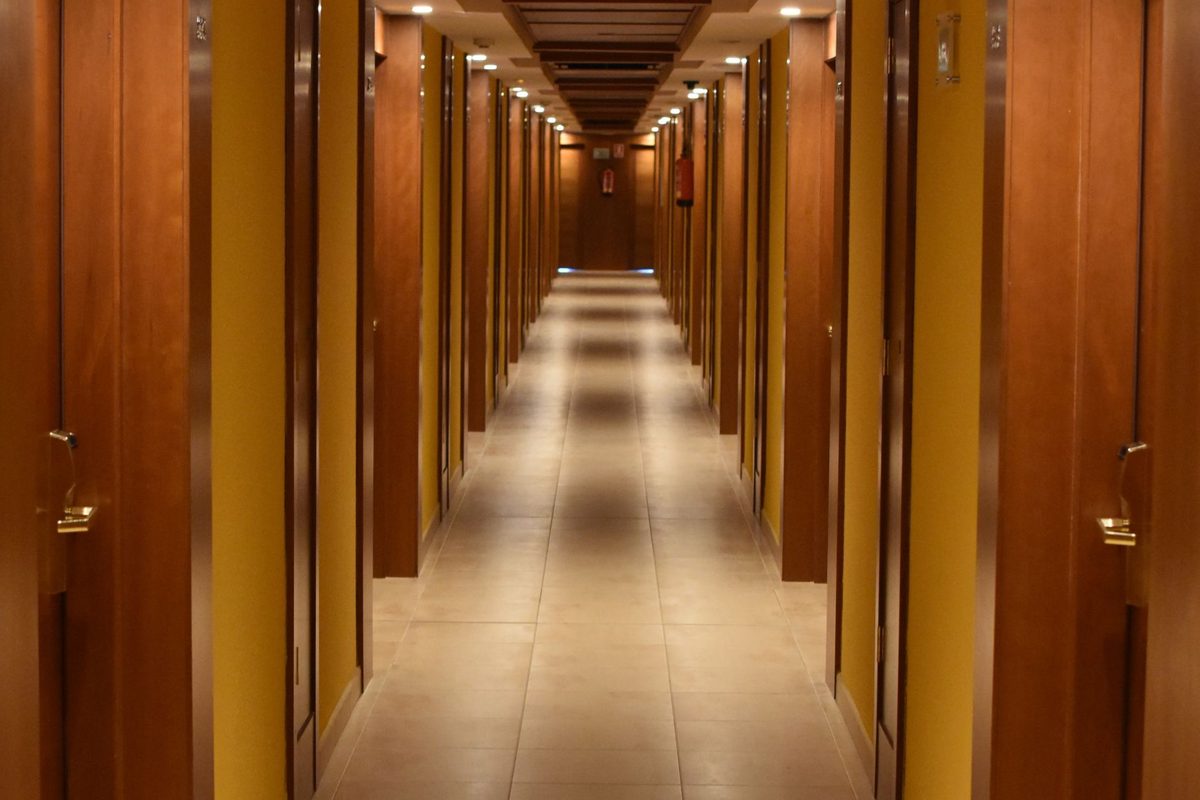
Kung nag-ooperate ka ng small hotel, apartelle, or transient property sa Metro Manila, alam mo na ang habagat season ay hindi lang ulan. Ito ang season na sabay-sabay na lumalabas ang lahat ng maintenance na na-defer mo since summer.
Ang problema: hindi ang staff mo ang unang makakapansin. Ang guest mo ang unang affected. At ang first thing they do is leave a review.
A single 1-star review on Agoda or Booking.com mentioning a leaking ceiling, a busted aircon, or a clogged drain costs you more than the repair would have. At habagat season, these failures don’t trickle in. Dumadating silang sabay-sabay.
1. Aircon na hindi nililinis ng maayos, at bumabaho na
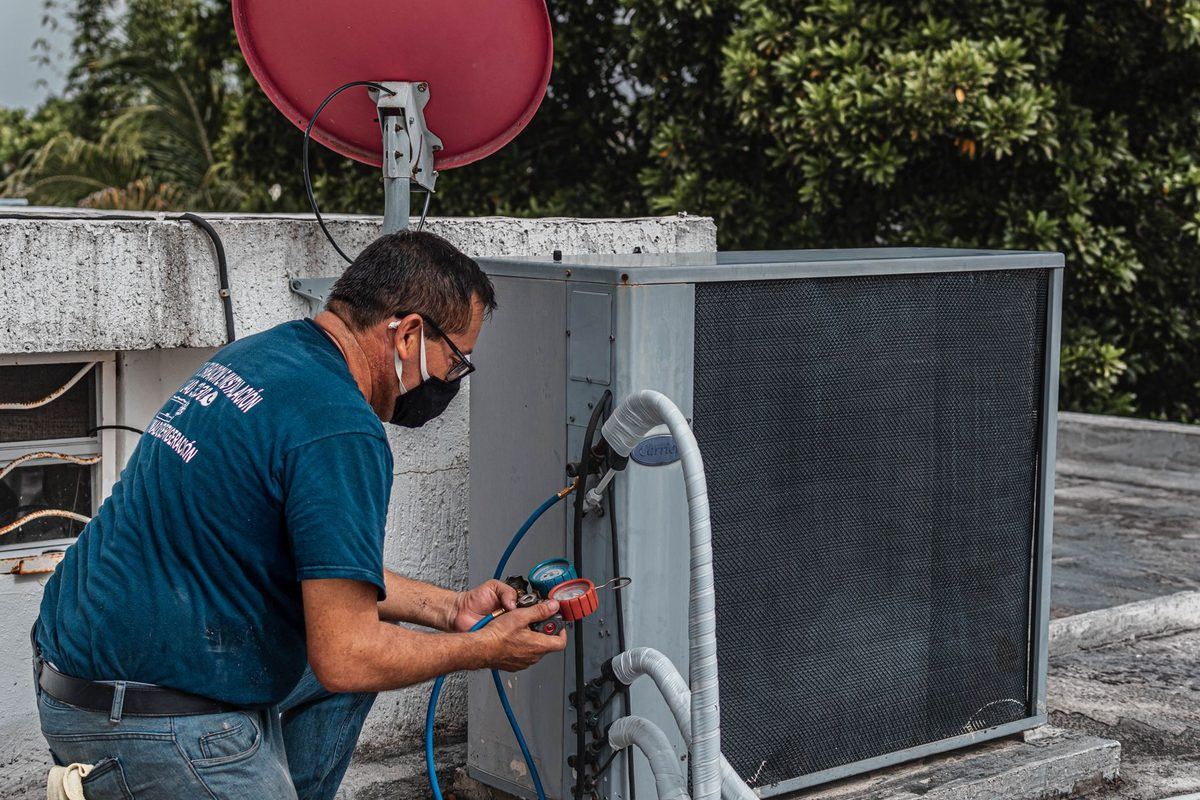
Ito ang number one complaint sa hotel reviews across Metro Manila: masamang amoy from the aircon. Hindi lang discomfort ito. It signals mold in the evaporator coil, a clogged drain line, or a filter that hasn’t been cleaned in months.
Ang madalas na nangyayari: may set schedule ang hotel para sa aircon cleaning, but it’s once every six months. During habagat, humidity spikes and the unit runs harder. The drain pan overflows. The filter catches more moisture. Mold starts growing inside the unit, and the guest smells it the moment they walk in. Ganito rin ang nangyayari sa bahay, which we broke down in our guide on bakit lumalala ang aircon mo pag habagat.
What it costs you: A general aircon cleaning runs ₱500 to ₱1,500 per unit. A chemical wash for a badly neglected unit is ₱2,000 to ₱3,500. Multiply that by however many rooms you have. The review that says “masamang amoy, parang basang carpet” costs more.
Habagat minimum: clean every unit before the season starts, then spot-check monthly. Kung may amoy, pull the unit from rotation and have it serviced before the next guest checks in. See what an aircon technician covers and the indicative rates on our pricing page.
2. Roof leaks na invisible hanggang basang-basa na ang guest
Alam ng karamihan sa hotel operators na may small leaks sa building nila. Ang hindi nila alam: gaano kabilis lumala ang leak kapag habagat season. Isang buwan lang ng continuous rain at ang hairline crack sa roof ay ceiling stain na sa guest room.
Ang worse: kapag nagtuturo na ang tubig habang may guest sa room, wala kang magandang sagot. “We’re aware of the issue” doesn’t un-wet their pillow.
What it costs you: Roof sealant and patching runs ₱1,500 to ₱5,000 per area. Ceiling board replacement is ₱2,000 to ₱6,000. A comped night plus a refund because the guest woke up to a dripping ceiling is ₱1,500 to ₱3,000 plus the review.
Habagat minimum: walk the top floor during the first heavy rain. Every room. Tingnan ang kisame near the walls, around vent penetrations, at sa paligid ng mga aircon lines na dumadaan sa ceiling. Ang stain na makikita mo ngayon ay next week’s guest complaint. For more on catching these early, read our guide on the ceiling signs of a roof leak.
3. Drainage na umaapaw tuwing malakas ang ulan
Kapag bumabaha ang parking area o ang lobby entrance tuwing umulan ng malakas, hindi lang inconvenience iyon. It shapes how every arriving guest perceives your property for the rest of their stay.
Most small hotels in Metro Manila share drainage systems with adjacent properties or sit on lots where the original drainage was sized for a residential building, hindi para sa commercial occupancy. Add blocked catch basins from construction debris or accumulated silt, at meron ka nang indoor flooding every time PAGASA raises signal number 2.
What it costs you: Drain clearing and jetting runs ₱2,000 to ₱8,000 depending on the blockage. Repointing or regrading a drainage run is ₱5,000 to ₱15,000. A lobby that floods every storm doesn’t just ruin one stay. It shows up in photos.
Habagat minimum: clear all catch basins and roof gutters before June. Check that downspouts discharge to the drain, hindi sa lupa beside the foundation. Kung umaapaw pa rin after clearing, the drain itself may need professional jetting or re-laying. Check our guide on why drains overflow during heavy rain for the common causes.
4. Electrical hazards na hindi obvious hanggang may brownout
Habagat brings power fluctuations, brownouts, and voltage spikes. Sa small hotel, ang circuit breaker panel is often inherited from the building’s original residential wiring, designed for a house, hindi para sa 8 rooms na may aircon, TV, water heater, at charging guests.
Kapag nag-brownout at bumalik ang kuryente, ang surge can trip breakers, fry older water heaters, or knock out the WiFi router. If the breaker panel isn’t labeled, your staff doesn’t know which breaker to reset, and the guest waits in the dark while someone calls the owner.
What it costs you: A breaker panel inspection and labeling runs ₱1,500 to ₱3,000. Replacing a damaged breaker is ₱800 to ₱2,000. A fried water heater is ₱5,000 to ₱15,000. The real cost is the guest who couldn’t shower in hot water and left a 2-star review while your staff was still figuring out which breaker tripped.
Habagat minimum: have a licensed electrician inspect and label every circuit in the panel before the season. Install surge protectors on expensive equipment (water heaters, routers, POS systems). Print a simple breaker guide and post it inside the panel door so any staff member can reset the right one. Read our guide on electrical warning signs sa tag-ulan for what to watch for.
5. Plumbing na nagko-cause ng amoy sa bathroom
Hindi lahat ng plumbing problem ay visible leak. Sa hotel setting, ang pinaka-common na complaint ay hindi tumutulo na gripo. Masamang amoy sa banyo.
The usual cause: a dry P-trap. Kung may room na hindi nagagamit for a few days, the water in the drain trap evaporates. Sewer gas comes up through the drain. The next guest walks in, smells it, and associates it with the entire property.
Mas malala kapag habagat: pressure changes in the sewer system during heavy rain can push gas through traps faster. Combine that with increased humidity and you get a bathroom that smells like drainage even though nothing is technically broken.
What it costs you: The fix is free. Run water through every drain in every unoccupied room once a day. If the smell persists, a plumber checking the trap and vent runs ₱800 to ₱2,500. Replacing a corroded or broken P-trap is ₱500 to ₱1,500. The review that says “amoy drainage ang banyo” is permanent.
Habagat minimum: add a daily flush to your housekeeping checklist for unoccupied rooms, 30 seconds per drain, walang gastos. If any room smells despite flushing, get a plumber to check the vent stack and trap integrity. See plumbing rates on our pricing page.
Hindi mo kailangang mag-hire ng sarili mong maintenance team
Most small hotels sa Metro Manila ay wala namang full-time maintenance staff. Hindi rin nila kaya mag-hire ng isa. The volume doesn’t justify a salary, pero ang need is real, lalo na tuwing habagat.
Diyan pumapasok ang outsourced facility maintenance. One coordinator, one contact number, access to vetted tradespeople across every trade: plumbing, electrical, aircon, roofing, painting, carpentry. Walang payroll, walang benefits, walang idle hours. You call when something needs fixing, or better yet, you schedule preventive maintenance before the season hits.
KuyaYos runs exactly this model for SMEs, HoAs, and hotels across Metro Manila through our monthly maintenance retainers. One point of contact. Vetted, NBI-cleared tradespeople. Same business-day response. Kung gusto mo munang makita ang math bago ka mag-commit, our breakdown of what a hotel maintenance backlog really costs walks through where the money actually goes.
Bago mo hintayin ang review, ayusin mo muna ang building.
Message us and we’ll set up a free facility assessment: a walk-through of your property, a list of what needs attention before the next storm, and a maintenance schedule built around your room count and your budget.
Ang habagat hindi pa tapos. The repairs are cheaper than the reviews.