Blog
Backup power for your small business: six decisions to make before the generator arrives.
Buying the generator is the easy part. Whether your shop actually stays open through a brownout is decided by the wiring and the list you make before it arrives.
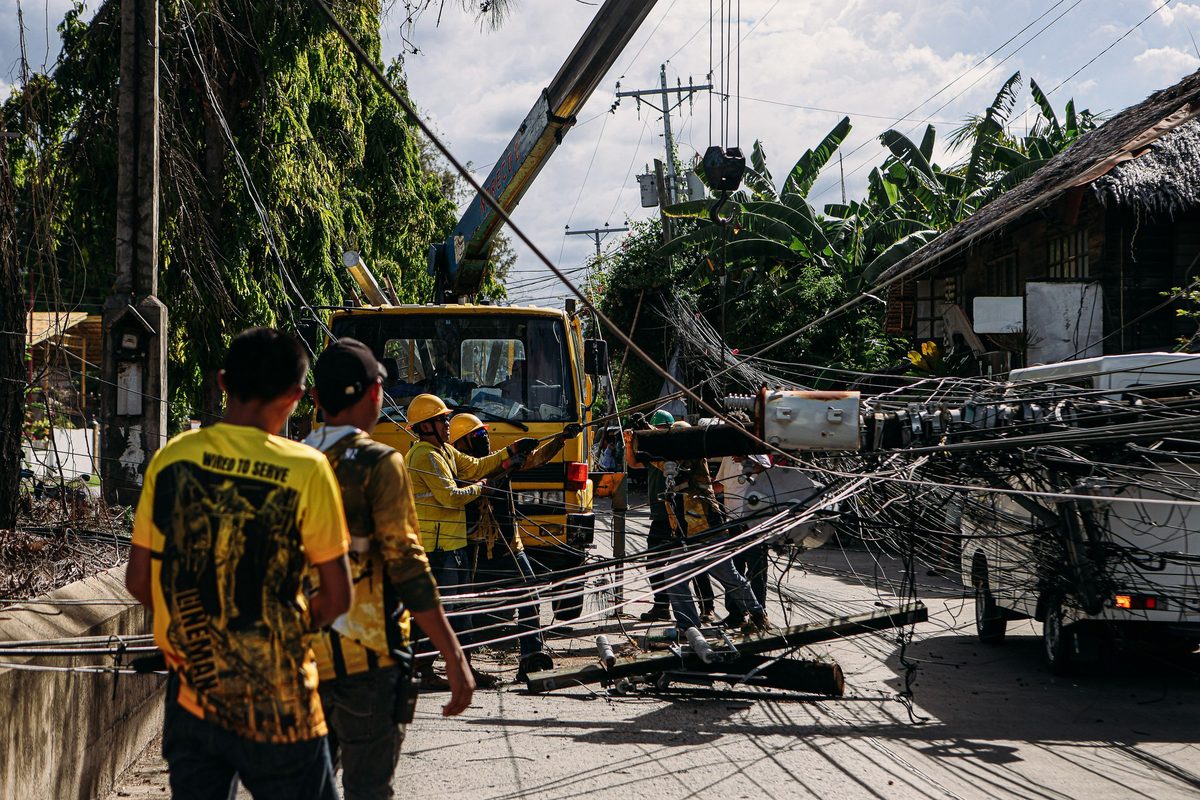
What stays on in your shop when the power goes out? Not what you would like to stay on. What actually does, right now, with the wiring you have.
For most small businesses in Quezon City the honest answer is nothing, and backup power for the business is a generator that is still in the box or still in the budget. PAGASA puts the peak of typhoon season at July through October, with around 20 tropical cyclones a year entering the Philippine area of responsibility and 8 or 9 crossing the country. We are in the middle of it.
The generator is a purchase. Backup power for a small business is the six decisions around the generator, and most of them are wiring. On the KuyaYos rate card the electrical side runs ₱1,000 to ₱4,500 in labour per job on a weekday. Booked same-day during an outage it carries a 30 percent surcharge; after 8 PM, 50 percent. That is the cheapest argument in this post.
Six decisions that turn a generator into backup power for your small business
1. Decide what stays on, in watts
Start with a list, not a catalogue. Walk the shop and write down every load that costs you money when it stops: the chiller or freezer, the POS and the router behind it, the CCTV recorder, one circuit of lights, the water pump if you have one. Then the loads that merely cost you comfort: the aircon, the signage, the staff fridge.
Add up the running watts on the first list (it is on the nameplate of every appliance) and add the starting surge of the largest motor, which for a compressor is several times its running figure. That number, not the aircon, is what the generator is sized against.
What it costs you: A generator sized to carry the aircon is a different class of machine from one sized for a chiller, a POS and lights, in purchase price, fuel and noise. Sizing to the wish list is the usual way to overspend on backup power.
Habagat minimum: A written load list, in watts, taped inside the panel door, with the make-money loads separated from the comfort loads.
2. Put the critical loads on their own circuit
In most small shops the chiller shares a breaker with whatever the last tenant’s electrician found convenient. That is fine until you try to feed one and not the other. A dedicated circuit for the critical loads makes the transfer clean: one breaker, one cable run, one thing to switch.
Older commercial units in QC often carry a panel balanced for a different business (a sari-sari store becomes a milk tea shop, the load triples, the panel stays the same). An electrician doing the circuit work will usually rebalance it in the same visit.
What it costs you: A dedicated circuit for a single high-load appliance runs ₱2,800 to ₱4,500 in labour; panel balancing runs ₱2,000 to ₱3,000. Skip it and the generator either feeds everything and stalls, or feeds nothing you chose.
Habagat minimum: Critical loads on one labelled breaker that you can point to in the dark.
3. Install a transfer switch. Never backfeed.
A transfer switch sits between the generator and the panel and makes sure only one source is connected at a time. Without it, the shortcut is a cable from the generator into a wall outlet, or a direct tie into the panel with the main still closed. That is backfeeding, and it does two things. It puts generator power onto the street line outside your building, where a Meralco crew may be working on what they believe is a dead wire. And when supply returns, two sources meet inside your panel, which is how the wiring in the wall becomes the fuse.
Meralco’s typhoon guidance for businesses is to have generators fuelled and ready. Ready means switched, not plugged in.
What it costs you: A manual transfer switch is standard-tier electrical work, ₱1,000 to ₱4,500 in labour depending on the switch rating and the distance from panel to generator; the switch itself is quoted at supplier price. The plug-in shortcut saves that amount exactly once.
Habagat minimum: A manual transfer switch, and a rule everyone on shift knows: main breaker off before the generator starts, generator off before the main goes back on.
4. Give it air, distance and height
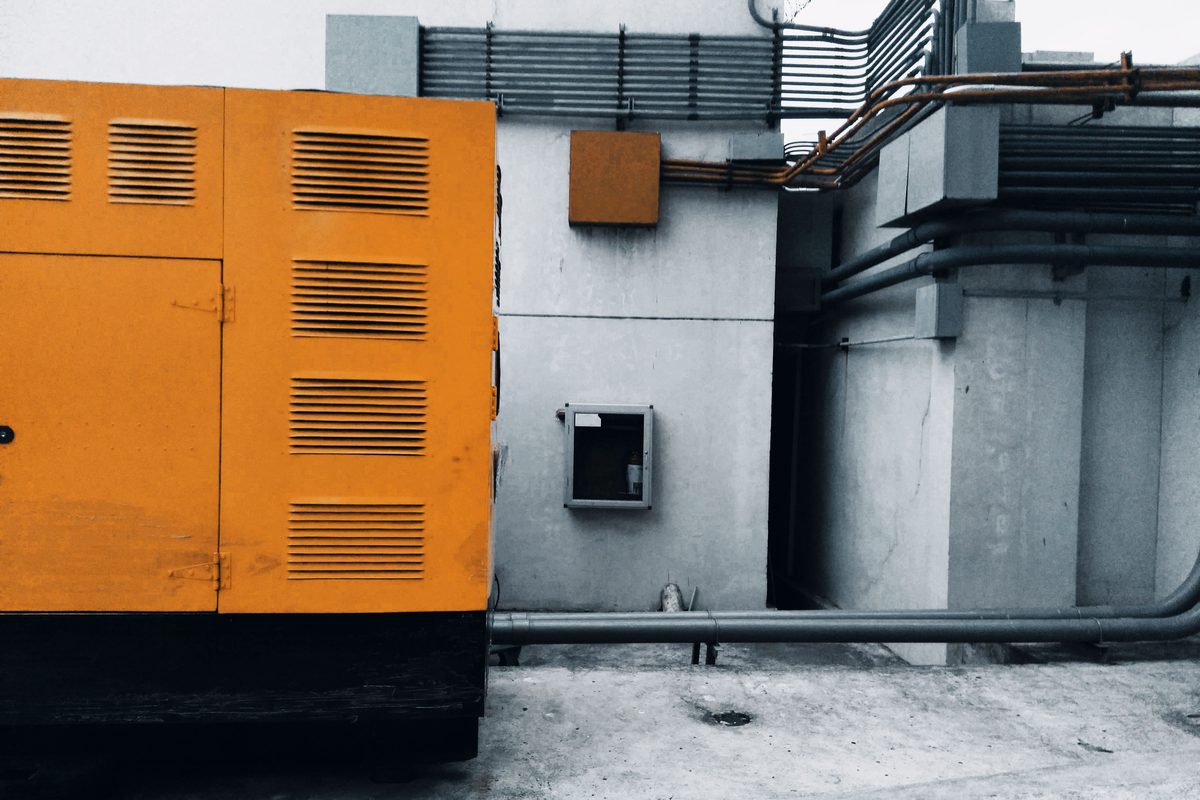
Generators go outdoors. Not in the stockroom, not in the stairwell, not just inside the propped-open back door. After Typhoon Ulysses in 2020 the Department of Health warned against running generators indoors after families in Bicol died of carbon monoxide poisoning from sets kept inside the house; its advice was 20 feet from the building and never in an enclosed space. Rain cover is fine. Walls are not.
Height matters as much as distance. A generator on the ground behind a shophouse is under water by the second hour of a habagat surge. Meralco’s advice for flood-prone premises is to relocate electrical equipment to higher locations before the water arrives, and a generator is electrical equipment.
What it costs you: A raised concrete pad or a welded steel bracket is a quick-fix mason or welder job, ₱600 to ₱2,200 in labour. A submerged generator is a motor rebuild or a replacement, plus the outage it was bought to prevent.
Habagat minimum: Outdoors, exhaust pointing away from every door and window, on a base above the highest flood line your street has seen.
5. Protect the equipment from the power coming back
Most of the damage in a brownout happens at the edges, not in the middle. The surge when supply returns, and the voltage sag in the minutes before the blackout, are what shorten a compressor’s life; a chiller that hums and fails to start on low voltage is drawing current the whole time. A generator does nothing about either.
An automatic voltage regulator on the chiller circuit and a small UPS on the POS and router cover the gap, and the UPS carries the few minutes between the lights going out and the generator coming up.
What it costs you: An electrical diagnostics visit after a compressor gives out runs ₱1,000 to ₱1,500 before the appliance repair is even quoted. The AVR and the UPS together cost less than that visit.
Habagat minimum: AVR on the chiller, UPS on the POS and router, both on the critical circuit and nothing else.
6. Run it monthly, under load, on a weekday
A generator that has sat since the last typhoon season will not start when the next one arrives. Fuel goes stale, the battery flattens, the carburettor gums up. A 15-minute run under real load once a month, with the transfer switch actually thrown, is the whole test. Log the date next to the load list.
The weekday part is not a joke. A generator that fails on a Sunday night in a storm is a same-day, after-hours, holiday-rate call, and those surcharges stack.
What it costs you: Same-day or emergency electrical work carries a 30 percent surcharge on labour; after-hours (8 PM to 7 AM) is 50 percent; Sundays and public holidays add 25 percent. A monthly run on a Tuesday afternoon costs 15 minutes and a little fuel.
Habagat minimum: One logged run per month under load, and one fuel rotation before the season starts.
What the electrical side costs
The generator is priced by the supplier. The work that turns it into a backup plan is priced here.
| Job | Indicative range | What drives the price |
|---|---|---|
| Electrical diagnostics and load mapping | ₱1,000–₱1,500 | Number of circuits, panel condition, whether anything is labelled |
| Dedicated circuit for critical loads | ₱2,800–₱4,500 | Cable run length, wall type, free breaker slots |
| Manual transfer switch installation (labour) | ₱1,000–₱4,500 | Switch rating, distance from panel to generator, conduit work |
| Panel balancing after loads are moved | ₱2,000–₱3,000 | Number of circuits moved, panel age |
Materials, including the switch and the breaker, are quoted separately at supplier price; the raised pad or bracket sits on the mason and welder quick-fix tiers. Your electrician confirms the exact price on-site.
Indicative Metro Manila ranges as of August 2026, based on KuyaYos booking data. Actual quotes depend on site assessment.
One electrician visit covers four of the six
You do not need an in-house electrician for this list. Decisions 1, 2, 3 and 5 are one assessment visit: the electrician walks the load list with you, maps the panel, prices the circuit and the switch against the rate card, and labels what stays on. Decision 4 is a mason or a welder for an afternoon. Decision 6 is your staff and a calendar, or the monthly check on a KuyaYos retainer; we compared what a retainer costs against reactive call-outs in an earlier post, and the surcharge list under decision 6 is the short version.
If water has been inside the building this season, read the electrical warning signs piece first; a generator fed into a panel with wet wiring is not backup power.
Common questions
Can I plug a generator into a wall outlet to power my shop?
No. Feeding a generator into an outlet, or straight into the panel with the main still closed, is called backfeeding. It pushes power onto the street line where utility crews may be working, and when supply returns two sources meet inside your panel. A manual transfer switch installed by an electrician is the only safe connection.
What size generator does a small cafe or store need?
Add the running watts of every load on your critical list, then add the starting surge of the largest motor, usually the chiller compressor. Size to that number, not to the aircon. A POS, a router, one lighting circuit and one chiller typically sit well within the output of a small portable set once the aircon is left off the list.
Do I need an electrician to install a transfer switch?
Yes. A transfer switch is wired between the generator inlet and the main panel, which means working on the main and moving circuits. It is standard-tier electrical work, ₱1,000 to ₱4,500 in labour on KuyaYos rates, and the same visit usually covers the load mapping and the dedicated circuit for your critical loads.
How often should a standby generator be tested?
Once a month, under real load, for about 15 minutes, with the transfer switch actually thrown rather than the generator idling on its own. Log the date. Rotate the fuel before typhoon season starts. A set that has sat untouched since last year is the one most likely to fail on the night you need it.
What stays on in your shop when the power goes out?
Book an electrical assessment and a verified KuyaYos electrician maps your panel, prices the switch and the critical circuit against the published rate card, and labels what stays on. Weekday bookings are confirmed the same business day.
Signal No. 1 is not the time to find the panel diagram.