Blog
Pre-typhoon checklist for your small business: what to secure in the last day before the storm.
One day of warning, a few hours of work. Spend them in the right order and you reopen on Monday instead of counting losses all week.
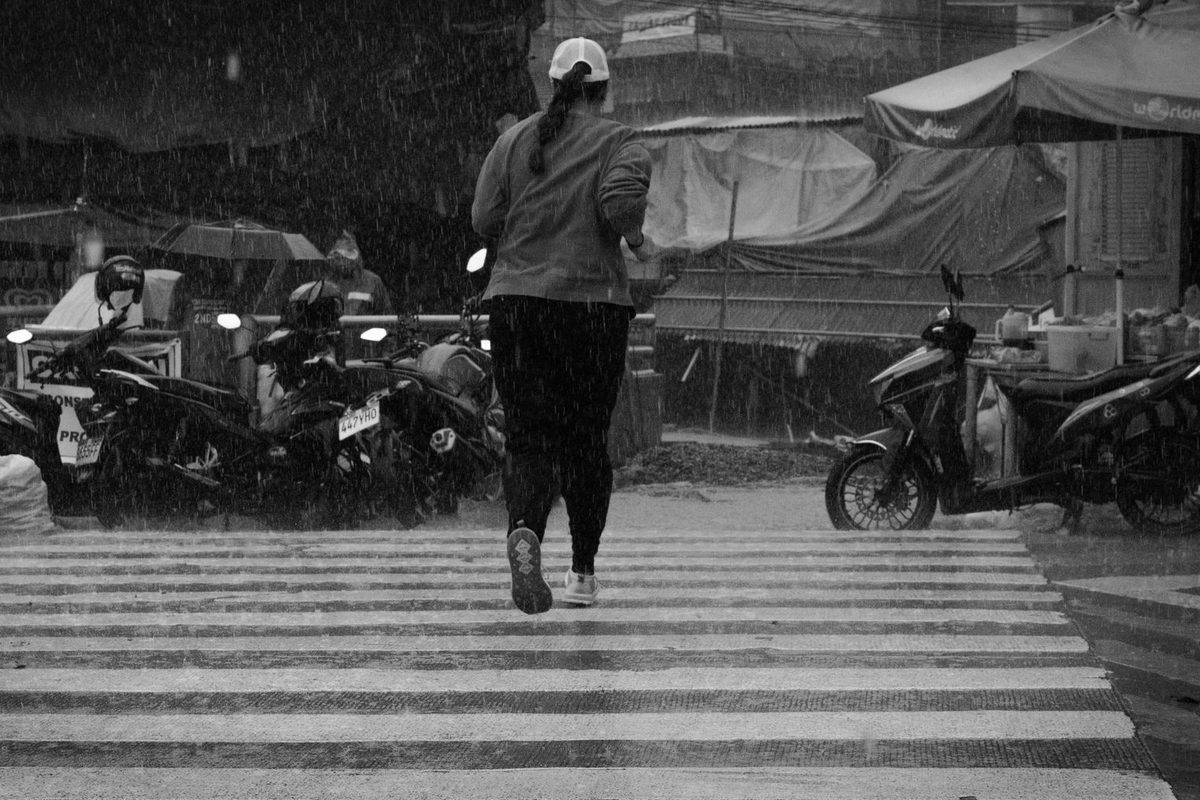
July 2025. Tropical Storm Crising and the habagat put whole Quezon City streets under water, more than 38,000 people across 63 barangays were affected, and the city declared a state of calamity. Not every shop on those streets opened again the same week.
The ones that did were not the lucky ones. They had worked a list the day before, top to bottom, while everyone else was watching the water climb the curb. This is that list. It is written for a shop, a cafe or a small office with no facilities team, and it runs in the order the money leaves.
The timing is not hypothetical. PAGASA puts the peak at July through October, with around 20 tropical cyclones a year entering the Philippine area of responsibility and 8 or 9 crossing the country. So the arithmetic: a gutter cleared and re-secured before the rain is roofer quick-fix work, ₱1,000 to ₱4,500 in labour. A stockroom of soaked inventory and a week of closed doors is the other number. One of those you put on a calendar. The other one puts you on it.
Your pre-typhoon checklist, in order of what you cannot replace
Work top to bottom. If the warning is short, the top of this list is where the money is.
1. Data and payments
Assume the power and the internet both go, because they usually do. Back up your POS and your records to something that does not depend on the shop being open: cloud, or a drive you take home. Pull enough cash to run manually, and agree an offline payment plan with staff (a GCash number written down, a manual receipt book). Photograph the whole premises before anything happens; that is your insurance evidence and it costs five minutes now.
What it costs you: A lost day of sales records or a POS you cannot reach is a slow, expensive month of reconciliation, and no insurer pays out on damage you cannot document.
Habagat minimum: One off-site backup, cash on hand, and a dated set of photos of the premises intact.
2. Electronics and equipment
Everything with a plug comes up off the floor and away from the wall, unplugged. A surge when supply returns, and the voltage sag before the blackout, kill more equipment than the flood does. Put the things you cannot trade the next morning without, the router, the POS, the CCTV recorder, on a small UPS.
What it costs you: A fried compressor or POS is a ₱1,000 to ₱1,500 diagnostics call before the repair is even quoted, and days without the machine that runs your counter.
Habagat minimum: Everything electrical unplugged and raised, and a UPS on the till and the router.
3. Stock and inventory
Lift it above the highest water line your street has ever shown you, not the one you hope for. Pallets, shelves, the back of a high counter. If you hold anything cold, decide the plan for a multi-hour brownout now, before it is warm: a generator, a transfer to another freezer, or a quick sale.
What it costs you: Floodwater does not clean off stock; it condemns it. A single soaked delivery can be more than a year of gutter cleaning.
Habagat minimum: Nothing that matters left on the floor, and a written cold-chain plan for the power going out.
4. The one water entry point that always gets you
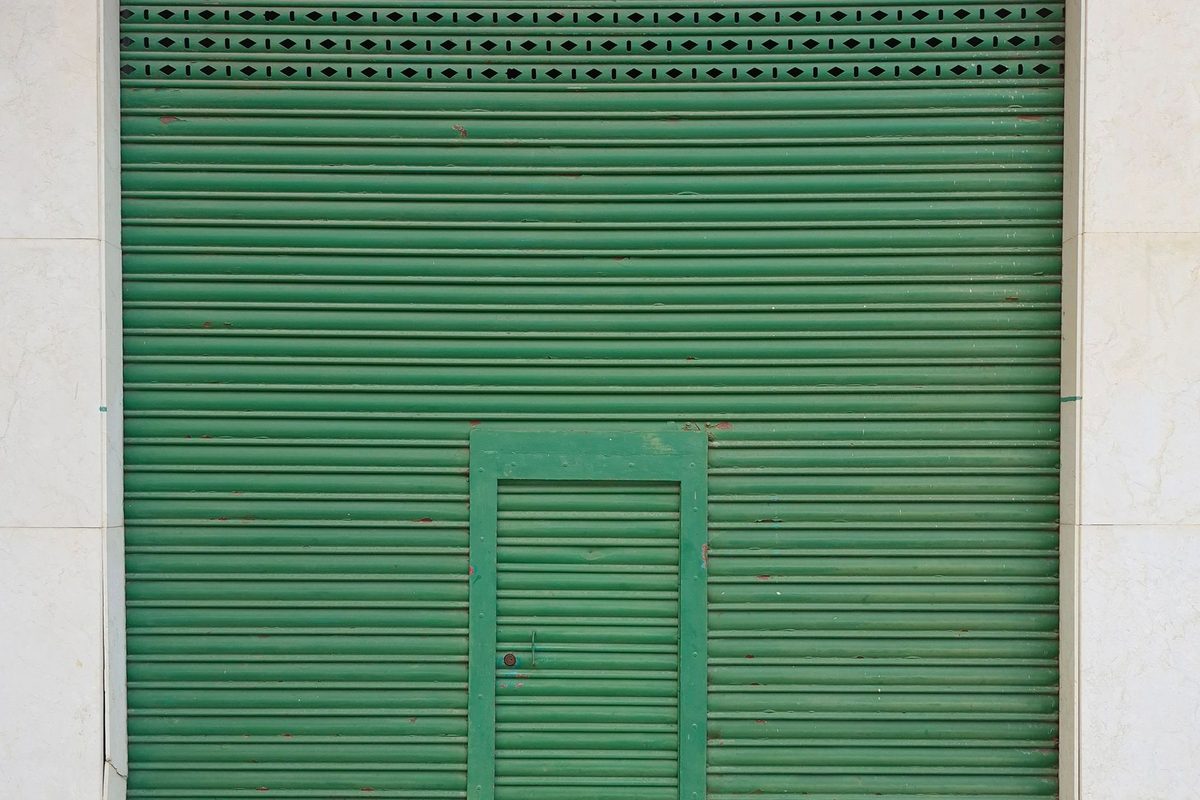
Every flood-prone premises has a specific weak point: the drain that backs up, the gap under the roll-up door, the low corner of the stockroom. You know yours. Clear that drain or gutter now while it is dry, sandbag the gap, and check that the water has somewhere to go that is not your floor.
What it costs you: A blocked gutter is the cheapest cause of a soaked ceiling and a flooded ground floor, and it is the one thing on this list you can often fix for the price of an hour.
Habagat minimum: The known weak point cleared, sealed, or sandbagged before the rain, not during it.
5. The building envelope
Wind, not just water. Secure or take down loose signage and tarpaulins before they become projectiles, tape or board glass that faces the prevailing wind, and check for loose roofing sheets that a strong gust will peel. The jobs on a height or needing a welder are the ones to book early, not the night before.
What it costs you: A signboard that tears loose is a liability claim as well as a repair; a lifted roof sheet turns a survivable storm into an open building.
Habagat minimum: Signage secured, vulnerable glass protected, and loose roofing fixed by a pro while there is still time to book one.
What the pre-storm fixes cost
These are the jobs worth booking a tradesperson for, and all of them are cheaper before a signal is up than after.
| Job | Indicative range | What drives the price |
|---|---|---|
| Gutter clearing or re-secure (roofer quick-fix tier) | ₱1,000–₱4,500 | Roof height, debris load, how much of the run has come loose |
| Gutter run replacement (per linear metre) | ₱500–₱800/m | Length, height, downspout work |
| Roof single-point leak repair | ₱1,500–₱2,200 | Roof pitch, material, height |
| Electrical circuit diagnosis and panel check | ₱1,000–₱1,500 | Number of circuits, panel condition |
| Signage bracket or window grille weld (welder quick-fix tier) | ₱600–₱2,000 | Size, mounting, access |
Materials are quoted separately at supplier price. The roofing and gutter lines are what a KuyaYos roofer handles; the panel check is an electrician visit, and the signage brackets belong to a welder.
Indicative Metro Manila ranges as of September 2026, based on KuyaYos booking data. Actual quotes depend on site assessment.
Book these on a weekday and they sit at standard rates. Book them once a signal is up and they are same-day work, which carries a 30 percent surcharge on labour, and everyone on your street is calling the same tradespeople at the same time.
You do not need a facilities team to run this list
A cafe or a shop has no maintenance staff. The pre-storm list lands on whoever is on shift, and the parts that need a ladder or a welding rig land on nobody. That is the gap a verified tradesperson fills: gutter, roof sheet, signage bracket, booked and finished before the season’s first real signal. If you would rather not scramble every time PAGASA raises a flag, a KuyaYos retainer puts those checks on a schedule. And if it is the power that worries you most, the backup power post covers that separately. Short version: the generator is only a plan once the wiring is.
Common questions
How do I prepare my small business for a typhoon?
Work in order of what you cannot replace. Back up your records and payment data first, then unplug and raise electronics, then lift stock off the floor, then clear the one drain that floods you and secure signage, glass and loose roofing. People and a reopening plan come last. Anything needing a tradesperson should be booked before the warning, not during it.
What should I do the day before a storm to protect my shop?
Assume the power and the internet will go. Charge everything, pull cash and an offline payment plan together, move stock and equipment above the highest water line your street has seen, and photograph the premises for insurance before anything happens. Then lock down the envelope: shutters, signage, and any glass that faces the wind.
Is it worth paying a tradesperson before a typhoon?
For the jobs you cannot safely do yourself, yes, and only if you book early. Clearing and re-securing a gutter is roofer quick-fix work at ₱1,000 to ₱4,500 in labour and a roof leak patch runs ₱1,500 to ₱2,200; both are cheap against a flooded stockroom. Once a signal is up, everyone calls at once and rates carry a same-day surcharge.
What causes the most business damage during a typhoon in Metro Manila?
Water getting in, and power problems when it comes back. Floodwater ruins stock and soaks wiring, and the surge or low voltage when supply returns damages equipment that survived the storm itself. Most of the loss is preventable in the day of warning, which is why the boring list matters more than the sandbags.
Which of these could your business do in the next two hours, and which needs a tradesperson you have not called yet?
Book a pre-storm check and a verified KuyaYos tradesperson walks the premises with you: gutters and drains cleared, signage and loose roofing secured, electrical risks flagged, all against the published rate card and before the season’s first real signal. Weekday bookings are confirmed the same business day.
The warning arrives a day early. The damage keeps its appointment.