Blog
Your hotel’s El Niño preparation should start with water and power, not the heat itself.
Guests will complain about the heat. What actually takes rooms off the board in a long dry season is a tank that runs out at 7 a.m. and an aircon circuit that trips at 2 p.m.
PAGASA’s forecast for the next six months: a 97% chance that El Niño conditions persist through the first half of 2027, with below-normal rainfall to go with it. Your building’s forecast, if nothing changes before then: a guest on the top floor turns on the shower at 7 a.m. and gets a trickle, and the aircon in the corner room trips its breaker at 2 p.m. on the hottest day of the week.
Neither of those is caused by the heat directly, which is the whole point of El Niño preparation for hotels. The first is a water system that was sized for full utility pressure. The second is a circuit that has been running close to its limit since last summer. A ₱1,000 to ₱1,500 aircon cleaning or a ₱2,000 to ₱3,000 panel balancing now costs less than one refunded night.
The long dry season does not create new problems so much as it removes the slack that was hiding the old ones.
Five things that fail in a small hotel during El Niño
Each of these is a load problem first. The water, the power and the heat simply arrive at the same time, usually in the same week in April.
1. Storage that only works at full pressure
When the dams run low, the first move is not a cutoff. It is lower pressure. In April 2024, MWSS cut domestic water pressure in Metro Manila to 3 psi from 7 to stretch Angat Dam supply. This year the dam started lower: Angat fell to 150.42 metres in July, below the 157.96 metres recorded in 2019, the year the concessionaires resorted to rotational interruptions. The water companies are adding other sources to head off a repeat. Your building should not depend on it.
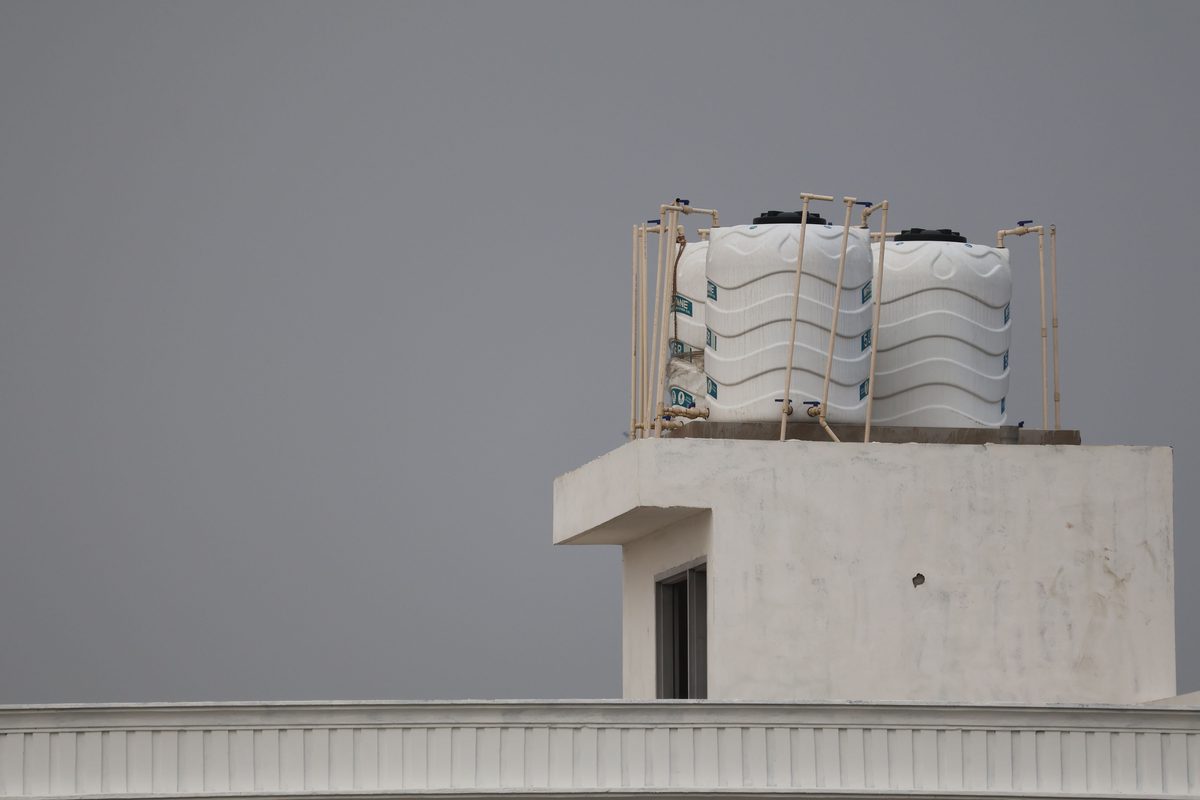
At 3 psi, an overhead tank on a four-storey building refills slowly or not at all during the day. It looks full at midnight and is empty by the breakfast rush.
What it costs you: upper-floor rooms with no shower during checkout hours, which is the review nobody forgets.
El Niño minimum: read the meter at the same hour on two busy days to get your real daily use, and make sure storage covers at least one full occupied day without the main line.
2. The booster pump that runs on an empty tank
Low supply does not just slow the water down. It changes what the pump sees. A booster or transfer pump pulling from a ground tank that has gone dry keeps running, with nothing to cool it, and burns out its seal or motor within hours.
What it costs you: the whole building loses pressure, not just the top floor, and the replacement is an emergency call on the worst possible day.
El Niño minimum: have a plumber confirm there is a working low-level cutoff (a float switch that kills the pump when the source tank is low) and that the float valves on every tank actually shut. A float valve that sticks open wastes water you cannot spare; one that sticks shut looks like an outage.
3. Aircons that were fine at 30 degrees
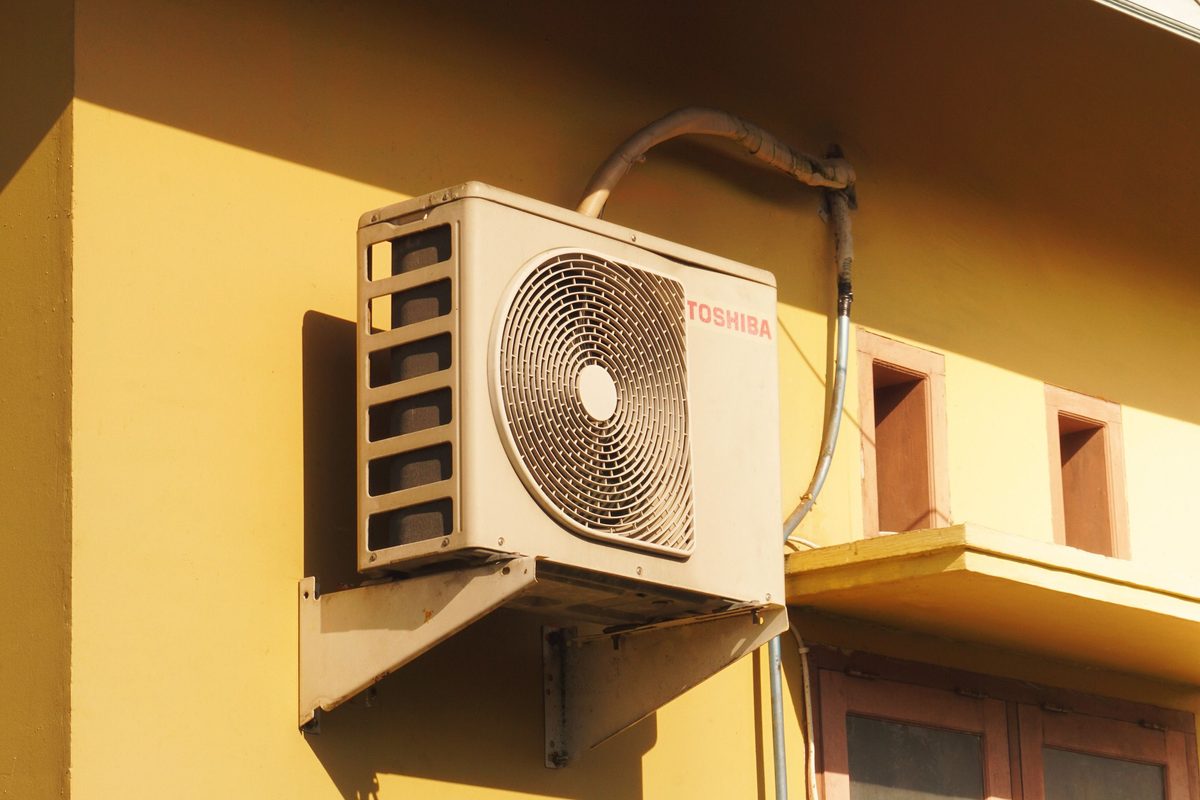
An aircon in a dry, 36-degree afternoon is working much harder than the same unit in a wet August. The compressor runs longer and draws more current, and a coil caked with a year of dust makes that worse. The unit does not usually fail outright. It cools poorly, the guest turns it to 16, and it never cycles off.
What it costs you: room complaints that read as “aircon not working,” a technician call per room, and a power bill that rises faster than occupancy.
El Niño minimum: a cleaning on every in-room unit before March, and a chemical wash on any unit that has not had one in over a year. Our hotel preventive maintenance schedule covers how to fit that into a rolling calendar.
4. The panel that was balanced for a cooler building
Power is the other half of the dry season. Demand on the grid peaks in the hottest months, and when the margin is that thin, one bad week is enough. In May this year, a chain of plant outages and line trips put Luzon on red alert, with peak demand at 12,877 MW against 12,464 MW of available capacity. Meralco answered with rotating interruptions averaging three hours for more than 200,000 customers.
Inside the building, the risk is two-sided. During normal hours, several aircons sharing one breaker cross its rating on the hottest afternoon and trip it. After a brownout, every unit restarts at once, and the surge can trip the main or stress the panel.
What it costs you: a floor in the dark during check-in, and in the worst case, a warm breaker that was a fire risk long before it tripped.
El Niño minimum: an electrician checks the panel, rebalances the load, and puts the heaviest rooms on dedicated aircon circuits. After any brownout, staff turn rooms back on a floor at a time.
5. Roof sealant that the sun has been working on
A roof under six months of hard sun is being cooked, not just warmed. Sealant around vents and bolts dries, shrinks and cracks; that is invisible until the first heavy rain after the dry spell, when it shows up as a stain in a guest room.
What it costs you: the leak arrives on the first rainy day of 2027, often in the busiest week of the year.
El Niño minimum: a roof walk in the dry months to reseal every penetration, which is also the easiest time to work up there.
What the dry-season checks cost
| Job | Indicative range | What drives the price |
|---|---|---|
| Aircon basic cleaning (split type) | ₱1,000–₱1,500 per unit | Unit count, access, how long since the last cleaning |
| Aircon chemical wash | ₱1,800–₱2,500 per unit | Degree of coil fouling |
| Freon recharge with repair | ₱2,000–₱3,000 per unit | Where the leak is and what has to be fixed first |
| Electrical diagnostics | ₱1,000–₱1,500 | Panel size, number of circuits to trace |
| Panel load balancing | ₱2,000–₱3,000 | How many circuits, how unbalanced |
| Dedicated aircon circuit | ₱2,800–₱4,500 per circuit | Run length from the panel, wall or ceiling access |
| Leak repair (plumbing) | ₱1,200–₱2,000 | Location, whether walls or tiles must open |
| Roof sealant (vulcaseal) | ₱150–₱300 per sq m | Roof pitch, material, how much old sealant has to come off |
Indicative Metro Manila ranges as of October 2026, based on KuyaYos booking data. Actual quotes depend on site assessment.
Materials are quoted separately at supplier price. Your tradesperson confirms the exact price on-site before any work begins. For a building with twelve split units, the basic cleaning alone runs ₱12,000 to ₱18,000 at those rates, which is the number to hold up against a summer of room complaints.
One assessment can cover the water, the power and the aircons
The reason most small properties do these checks one breakdown at a time is that they involve four different trades, and calling four different people in March is nobody’s idea of a plan.
A KuyaYos assessment sends a verified aircon technician, electrician or plumber as the job needs, and quotes the dry-season list in one go, so the work is booked in the order that matters. For properties that would rather have this on a calendar than on a to-do list, a KuyaYos retainer puts the pre-summer checks on the schedule every year. The five habagat failures are the same idea for the other half of the year.
Common questions
How does El Niño affect hotels in the Philippines?
Mostly through water and power, not the temperature itself. Below-normal rainfall drains the dams, so utilities lower pressure or ration supply, and hot weather pushes power demand to its yearly peak, so a single plant outage can tip the grid into rotating brownouts. For a small hotel that shows up as weak showers on upper floors, pumps running dry, aircons tripping breakers, and brownouts during the hottest afternoons.
How much water storage does a small hotel need for water interruptions?
Enough to run a full occupied day without the main line. The way to size it is to read the water meter at the same hour on two consecutive days during a busy weekend; the difference is your daily use. If your tanks hold less than that, a single long interruption or a night of low pressure will empty them before checkout.
Why do aircons trip the breaker during hot weather?
Because heat makes the compressor work harder and draw more current, and a dirty coil makes it work harder still. When several units share one circuit, the combined load crosses the breaker’s rating on the hottest afternoon. The usual fixes are a cleaning to bring each unit’s draw down and panel balancing or a dedicated circuit so no single breaker carries too many units.
When should a hotel prepare for El Niño?
Before the hot months, not during them. PAGASA expects El Niño conditions to persist through the first half of 2027, and the strain on water and power peaks from March to May. Booking the aircon, panel, pump and roof checks in the cooler weeks before that means the work is done before every other property in the city is calling for the same technicians.
Would your building get through a week of 3 psi and 36-degree afternoons?
Book a dry-season assessment and a verified KuyaYos tradesman checks the tanks, pumps, panel and aircons, then quotes the list in the order that protects the most rooms. Weekday bookings are confirmed the same business day.
If the water stopped at 7 tomorrow morning, which guest would you call first?