Blog
Bakit umaapaw ang drainage mo tuwing malakas ang ulan? Why your drains overflow during heavy rain.
Kung umaapaw ang parehong drainage kada ulan, madalas hindi ang panahon ang tunay na sanhi. Here is how to read the pattern before the next storm.
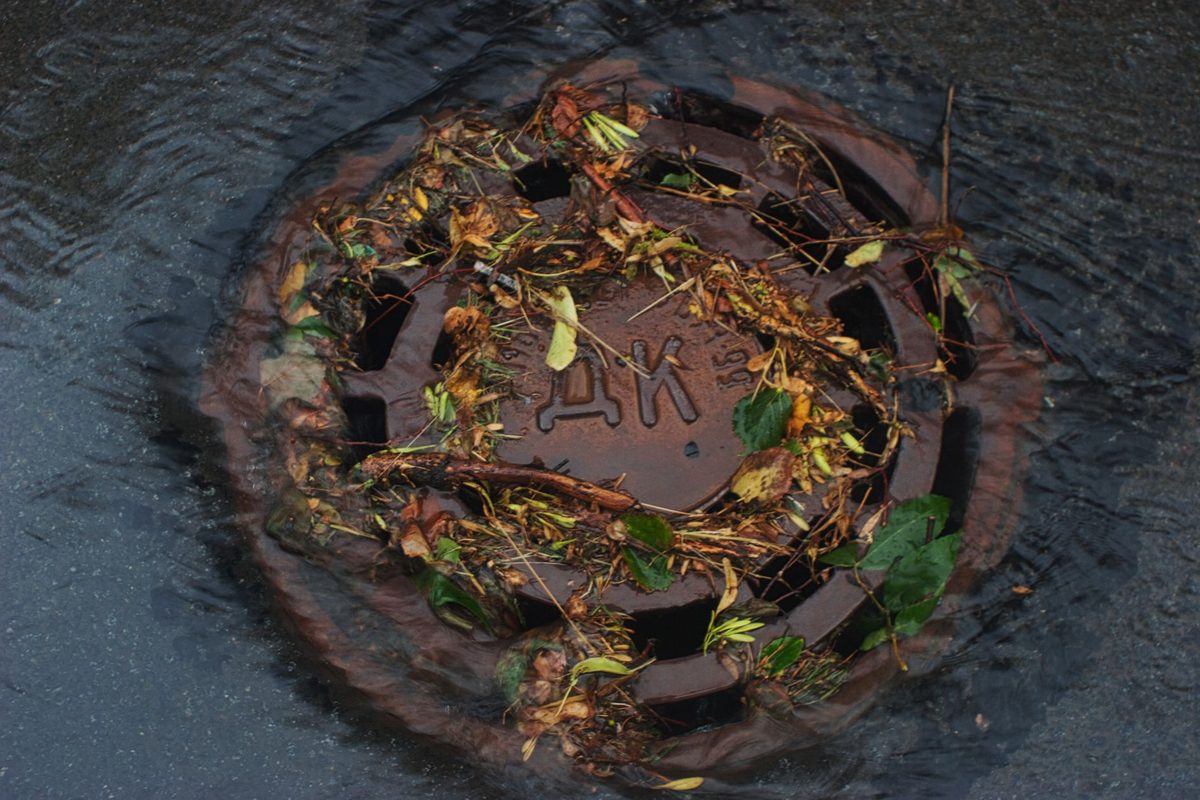
Most homeowners expect a little standing water during a heavy downpour. But if the same part of your property floods every single time it rains, that’s usually a sign that something isn’t working the way it should.
The overflowing drain is where the problem becomes visible. It isn’t always where the problem begins. Heavy rain can overwhelm any drainage system, especially during tag-ulan and habagat season here in Quezon City. But when the same drain overflows again and again, there’s usually an underlying issue keeping water from moving away from your home the way it should. Understanding that difference is the first step to solving the problem for good.
Ano ba talaga ang sanhi ng pag-apaw? What causes drains to overflow
Maraming homeowner ang naglilinis ng drainage after every storm, only to deal with the same overflow the next time it rains. Drains overflow during heavy rain when water enters the system faster than it can flow away. Exceptionally heavy rainfall can overwhelm any drain, but recurring overflow usually points to an underlying issue that has quietly reduced the system’s ability to carry water.
Common causes include:
- Leaves, mud, and other debris blocking the flow of water
- Ground that slopes and directs rainwater straight toward the drain
- Underground blockages that restrict the drainage pipes
- A drainage system that’s simply too small for the amount of runoff
- Changes around the property that increase the water reaching the drain
If the same drain overflows after almost every storm, it’s worth investigating the drainage system itself rather than assuming the weather is the only cause.
Bakit iba-iba ang baha kada bahay? Why some homes flood while others don’t
If you’ve ever looked outside after a heavy downpour, you’ve probably noticed that not every house is affected the same way. One driveway is underwater habang ang kapitbahay mo mukhang okay lang.
That’s because rain is only part of the equation. What matters just as much is what happens after the rain hits the ground. Every property moves water differently. The slope of the land, the condition of the drains, the amount of paved surface, and even changes in the surrounding neighborhood all affect where rainwater ends up. That’s why one house stays dry while the one next to it floods during the exact same storm.
Which is why recurring flooding is usually a pattern, not bad luck. The storm is the same for everyone. Every property just handles it differently.
Ano ang sinasabi ng pattern? What the pattern is telling you
One flooded drain doesn’t always mean there’s a problem. During an exceptionally strong typhoon, even a well-maintained drainage system can struggle to keep up. Recurring flooding tells a different story.
If the same drain overflows every time it rains, or the same corner of your property is always the first to flood, pay attention to that pattern. Water is surprisingly consistent. If it found a path into your garage once, it’ll usually try to find the same path again.
A few simple observations can help you narrow down what’s happening:
- Water drains away quickly after the rain stops. The drain may simply be struggling to keep up during periods of intense rainfall.
- Water stays for hours after the rain has ended. This could point to a blockage that’s slowing the flow of water away from your property.
- Only one part of your property floods. The problem may be about how water flows across your yard, driveway, or the surrounding ground.
- Flooding seems to get worse each year. Changes around your property, or a drainage system gradually losing capacity, may be contributing.
These observations won’t tell you exactly what’s wrong. But they make it much easier to separate a drainage problem from a weather problem.
Ano ang karaniwang sanhi ng paulit-ulit na problema? What usually causes recurring issues
Once you know the flooding follows a pattern, you can stop treating every storm as a separate problem. In most cases, it comes down to one of a few common issues.
A clear drain doesn’t always mean a clear pipe
If water slowly disappears after the rain has stopped, the drainage system may just be struggling to carry it away. Leaves, mud, silt, and other debris gradually reduce how much water a drain can handle. You might not notice anything during light rain, but after several hours of steady ulan, that reduced capacity becomes obvious. And the drain opening isn’t always where the blockage is. Sometimes the restriction is deeper inside the pipe, where you can’t see it from the surface.
Too much water is reaching the same area
Not every drainage problem starts with the drain itself. If your driveway slopes toward the house, or the ground funnels rainwater into one low-lying area, water can collect faster than the drain can remove it. In that situation, even a perfectly clear drain will overflow, simply because it’s receiving more water than it can handle. If the same corner floods first every time, pay attention to where the water is coming from, not just where it’s collecting.
Your property isn’t the only thing that’s changed
Some drainage problems don’t begin on your property at all. As neighborhoods develop, more land gets covered in concrete, more houses go up, and fewer areas are left for rainwater to soak into the ground. That extra runoff has to go somewhere, and older drainage systems weren’t always designed to cope with it. If flooding has become noticeably worse over the years, the cause may be bigger than your property alone.
Ano ang pwede mong gawin bago ang susunod na ulan? What to do before the next heavy rain
You don’t need to wait for the next typhoon to start understanding your drainage. In fact, it’s often easier to spot problems when the weather is dry.
1. Watch where the water goes
The next time it rains, spend a few minutes observing how water moves around your property. Does it flow toward the street, or back toward the house? Does one drain overflow while the others keep up? Does the water disappear as soon as the rain stops, or does it sit for hours? These observations tell you far more than staring at a flooded driveway after the storm has already passed.
2. Clear what you can see
Leaves, mud, and debris collect around drain openings fast, especially during tag-ulan. Clearing visible blockages before heavy rain gives water a better chance to flow away. If your home has gutters, check those too. Overflowing gutters can dump large amounts of water into areas that were never meant to handle it. (Our companion guide on preventing home flooding before habagat walks through the DIY checks drain by drain.)
3. Don’t assume the problem has gone away
It’s easy to forget about drainage the moment the water recedes. But if the same area has flooded several times already, there’s a good chance it will happen again. The dry days between storms are the best time to figure out what’s causing it, while you can still inspect the area safely and see the path the water took.
Kailan dapat tumawag ng plumber? When to call a professional
There’s nothing wrong with clearing leaves from a drain or removing visible debris before a storm. Often, that’s all it takes to keep water flowing properly. The problem is that not every drainage issue is visible from the surface.
If you’ve already cleared the drain and the same area keeps flooding, it’s usually a sign the problem is somewhere else, an underground blockage, water being directed toward your home, or a system that’s no longer keeping up with the runoff it receives. A licensed plumber can camera-inspect the line, find the restriction you can’t see, and clear it in a single visit.
A professional inspection is worth considering if:
- The same drain overflows after almost every heavy rain.
- Water is getting closer to your home’s walls, garage, or entrance.
- Flooding seems to get worse each rainy season.
- You can’t identify where the water is coming from.
- You’ve already tried basic maintenance, but nothing has changed.
The goal isn’t always a major repair. Sometimes it’s simply to identify why the problem keeps coming back. Once you know the cause, it’s much easier to decide what, if anything, needs to be done next. Your plumber confirms the exact price on-site before any work begins.
Mga madalas itanong
Bakit umaapaw ang drainage tuwing malakas ang ulan?
Drains overflow when water enters the system faster than it can flow away. Recurring overflow usually points to debris blocking the flow, ground that slopes water toward the drain, underground blockages, a system too small for the runoff, or changes around the property.
Bakit bumabaha sa bahay namin pero hindi sa kapitbahay?
Every property moves water differently. The slope of the land, the condition of the drains, the amount of paved surface, and changes in the surrounding neighborhood all affect where rainwater ends up. That is why one house stays dry while the one next to it floods in the same storm.
Bakit umaapaw pa rin kahit nalinis na ang drain?
A clear drain does not always mean a clear pipe. The restriction can sit deeper inside the pipe where you cannot see it, or the ground may be sending more water to that spot than any drain can handle. A licensed plumber can camera-inspect the line and find the restriction.
Kailan dapat tumawag ng plumber para sa umaapaw na drainage?
Consider an inspection if the same drain overflows after almost every heavy rain, water is getting closer to your walls or entrance, flooding gets worse each rainy season, you cannot tell where the water is coming from, or basic maintenance has not changed anything.
Umaapaw pa rin kahit nalinis mo na?
By the time water reaches your doorstep, the drainage problem has often been developing far longer than you realize. If you’re dealing with the same overflow every rainy season, book a drainage inspection and we’ll match you with a vetted plumber the same business day, before the next storm turns it into an emergency.
Don’t wait until the next storm to find out. The days after heavy rain often reveal more than the storm itself.