Blog
Baradong drainage sa tag-ulan? How to prevent flooding in your home before it’s too late.
Bakit bumabaha sa loob ng bahay? Five signs your drainage needs help before habagat hits.
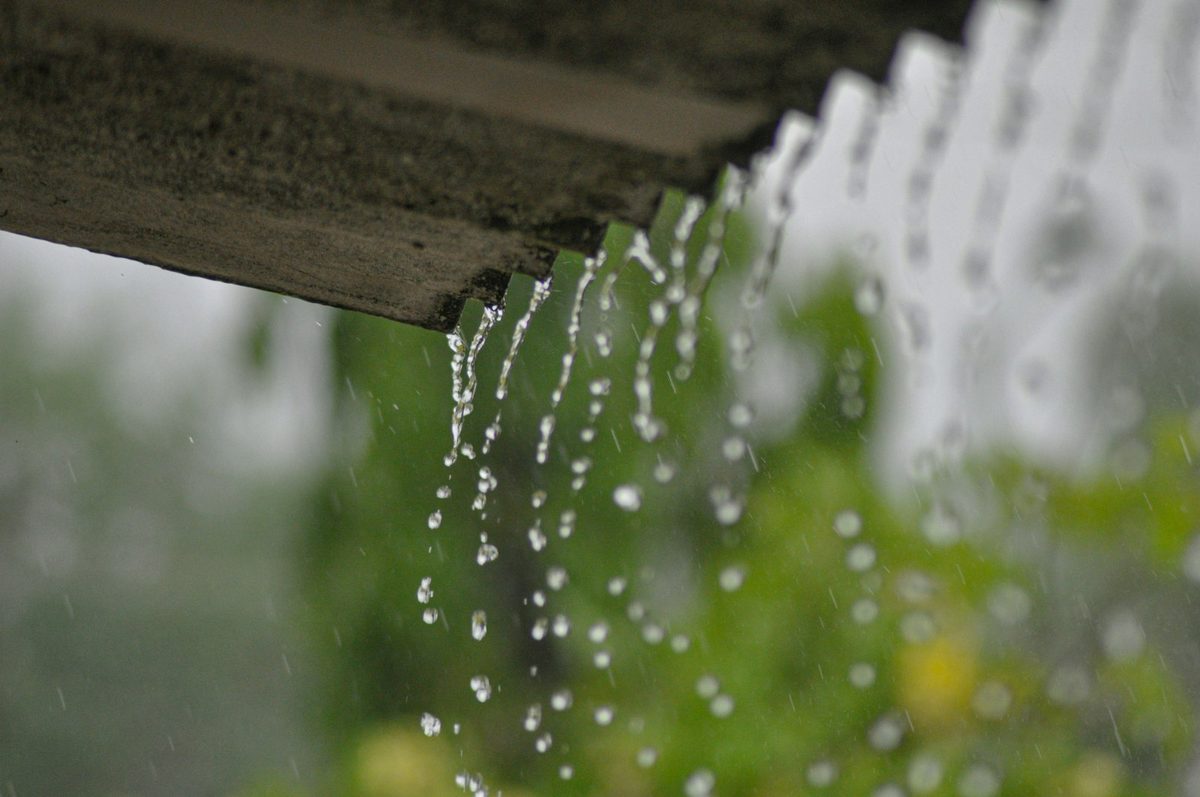
Grease, hair, soap scum, years of sediment; a drain’s life is invisibly tough. Invisible, until the first heavy downpour of habagat season turns your bathroom into a wading pool. By then, you’re not dealing with a ₱500 fix. You’re dealing with water damage to your floors, mold creeping into your walls, and electrical wiring sitting in standing water.
Most homes in Quezon City have drainage systems that haven’t been touched since the house was built. If that sounds like yours, keep reading.
Bakit bumabaha sa loob ng bahay? 5 signs your drainage needs help
Drainage problems are easily detected, even by homeowners with no previous plumbing experience. Here’s what to look for before the next storm hits.
1. Slow-draining sinks and showers
If your kitchen sink takes more than 30 seconds to empty after you pull the plug, something is building up in the pipe. Same with your shower. If you’re standing in ankle-deep water by the time you finish bathing, that’s not normal. It’s a partial blockage getting worse every day.
DIY check: Pour a full kettle of boiling water down the drain. If it clears temporarily and comes back within a week, the clog is deeper than hot water can reach.
Call a plumber if: Multiple drains in the house are slow at the same time. That points to a mainline issue, not a single pipe.
2. Gurgling sounds from your drains
When you flush the toilet and hear your kitchen sink gurgle, that’s air trapped in the system because water can’t flow freely. There’s a blockage somewhere downstream forcing air backwards through your pipes.
DIY check: Listen after flushing. One gurgle, once in a while, is probably fine. Consistent gurgling from multiple fixtures? That’s your drainage telling you it’s choking.
Call a plumber if: The gurgling comes with slow drainage or bad smells. That combination means the blockage is significant and getting worse.
3. Mabaho ang drainage: foul smell coming from drains
A functioning drain shouldn’t smell like anything. If you’re getting a sewer smell from your bathroom floor drain or kitchen sink, it usually means one of two things. Either the water trap has dried out (easy fix, just pour water into it), or there’s organic buildup rotting inside the pipe.
DIY check: Pour water into every floor drain in your house. The P-trap dries out sometimes, especially in rooms you don’t use often. If the smell goes away, that was it.
Call a plumber if: The smell persists after filling the traps. That means decomposing material is stuck in the pipe itself and needs to be physically cleared.
4. Bumabaha sa paligid ng bahay: water pooling near your foundation
After rain, check the ground around your house. Water should flow away from the building, not toward it. If you see pooling within a meter of your exterior walls, your outdoor drainage isn’t doing its job. That water is either seeping into your foundation or backing up into your indoor plumbing.
DIY check: Walk the perimeter of your house during or right after a heavy rain. Look for low spots where water collects instead of draining away.
Call a plumber if: You see water pooling consistently in the same spots. Even worse if water is entering through the base of your walls. That needs grading correction or a French drain, not a bucket.
5. Cracks or damage in outdoor drainage
Take five minutes to look at your outdoor drainage channels, gutters, and downspouts. Cracks in concrete drainage, disconnected downspouts, gutters clogged with leaves; they all mean the same thing. When habagat dumps 30mm of rain in an hour, that water has nowhere to go except into your house.
DIY check: Run a garden hose into your gutter and watch where the water exits. If it overflows from the middle instead of running to the downspout, you’ve got a blockage up there.
Call a plumber if: Concrete drainage channels are cracked or collapsed. That’s structural, not something you patch with cement and a prayer.
Paano maiwasan ang pagbaha: what you can do right now
You don’t need to spend money to do basic prevention. Do these before the next storm.
Clean your gutters and downspouts. Climb up there, pull out the leaves, and make sure water flows all the way through. This takes 30 minutes and prevents 80% of roof-related water problems.
Check your downspout direction. The bottom of your downspout should point water away from your house, not dump it right next to the foundation. If it’s draining straight down the wall, add an extension or a splash block.
Monthly drain maintenance. Pour boiling water down every drain in the house once a month. Follow with baking soda and vinegar if you want to be thorough. It breaks down grease buildup before it becomes a blockage.
Check your floor drain covers. Make sure they’re not blocked by debris, furniture, or buildup. During heavy rain, floor drains are your last line of defence against indoor flooding. If they’re clogged, your bathroom floods first.
May drainage problem ka na?
If you checked the list above and found more than one issue, the blockage probably isn’t something boiling water and baking soda will fix. A licensed plumber can camera-inspect your line, snake the clog, and clear years of buildup in a single visit, before habagat turns it into an emergency.
Caught one of those signs on your own drains?
Book a plumber through the form, or message us if it’s already actively flooding. We’ll match you with a vetted tradesperson the same business day.
Tag-ulan doesn’t wait. Neither should your drainage.