Blog
High electricity bill for your small business: 3 places the power is going.
The October rate hike is real, and you can’t negotiate it. The kilowatt-hours your shop burns after you lock up are a different story.
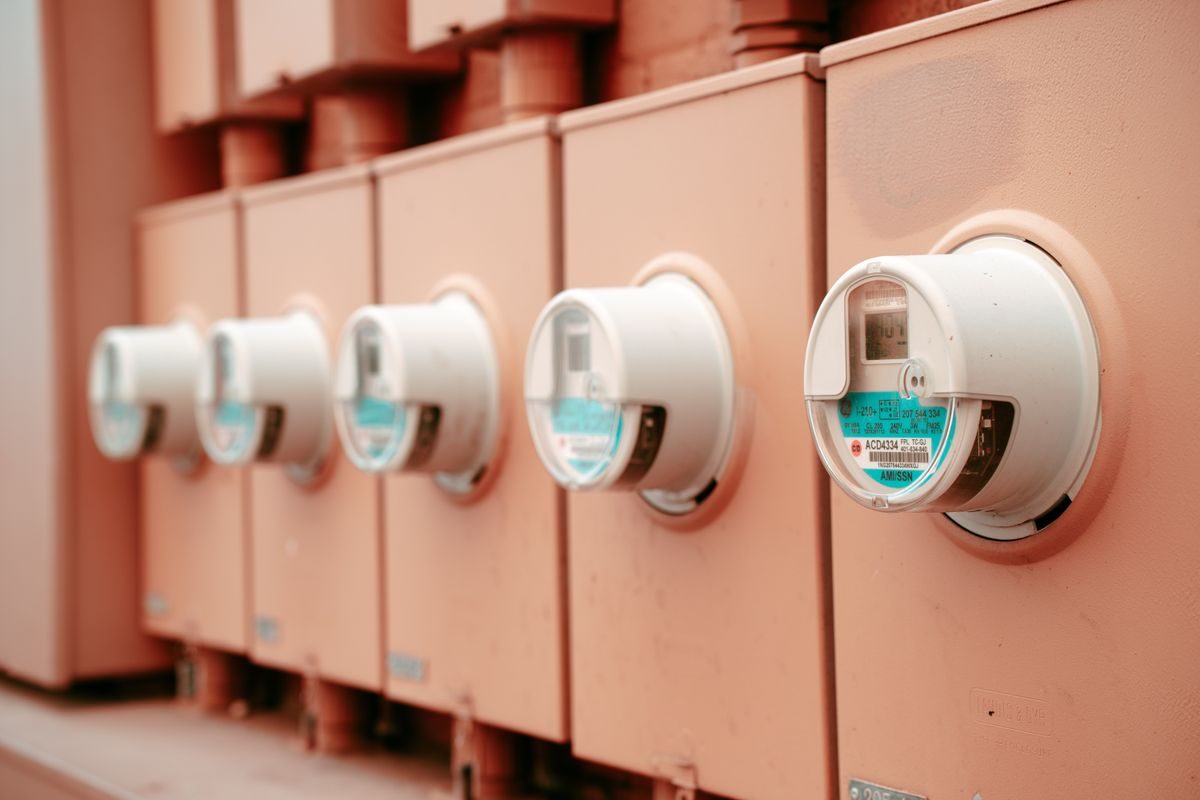
For a typical household, Meralco’s rate went up in October by ₱0.3191 per kWh, to ₱15.0615. That ended two straight months of rate cuts. Most of the increase came from the generation charge, up ₱0.4973 per kWh, which is passed straight through from power suppliers. Commercial and industrial accounts pay that higher cost per kWh too. The refund approved by the Energy Regulatory Commission starts with November billing and is spread over six months, with a reported household share of ₱0.1733 per kWh, less than the October increase.
And the heat is not done. PAGASA says a strong to very strong El Niño is already here, and expects hotter than usual conditions over most of the country for the next six months. The peak is expected before the end of 2026.
The rate is the half of a high electricity bill you cannot touch. The other half is yours.
Rate or usage: the two numbers behind the bill
Your electricity bill is two numbers multiplied together. One is the rate per kilowatt-hour. The other is the kilowatt-hours you actually used. You cannot change the first one.
A kilowatt-hour is power used over time, the number your meter counts. Think of it like a taxi meter that charges you for distance and waiting time, not for how fast you drive. Power alone is just a snapshot; time is what makes it count.
Meralco itself expects demand for cooling to climb in this heat. Meralco asks customers to watch consumption and practice energy efficiency.
Here is an illustration, not a real shop. At about ₱15 per kilowatt-hour, which is the October household rate rounded and your shop’s rate differs, 10 kilowatt-hours used overnight is about ₱150 a night. Over 30 nights that is about ₱4,500. A small overnight number turns into real money over a month. That is the part that sneaks up on you. The kilowatt-hours are the half you control.
What most owners try first
Switching off lights, telling staff to turn things off, and buying a new inverter aircon are reasonable moves. They go after what is easy to see. But the machines that run all day and night still do their work, and a new unit does nothing about a chiller door that leaks cold air or a breaker that runs warm. That is where a lot of money goes.
- Switching off lights reaches the easy-to-see power use, not the machines running all day and night.
- Telling staff to turn things off reaches habits, not equipment that runs on its own.
- Buying a new inverter aircon feels like the fix because it is new and efficient, but it is not the fix if the real leak is a door seal or a warm breaker.
Your next step is to find out what is running when nobody is there.
Where a small business loses power in the heat
Start with the meter tonight. Read the kWh number on the meter when you close, then read it again before you open. The difference is what the shop used while nobody was working. Overnight, the only things that should be running are fridges, chillers, freezers, CCTV, the router, and the security lights. If the number is higher than that, something extra is drawing power while you sleep. An aircon left on, a pump that keeps cycling, a panel running warm. Do it for 2 or 3 nights so you learn your normal. Write the two numbers down so you do not trust memory. Think of it like checking if a tap is dripping after everyone has gone home.
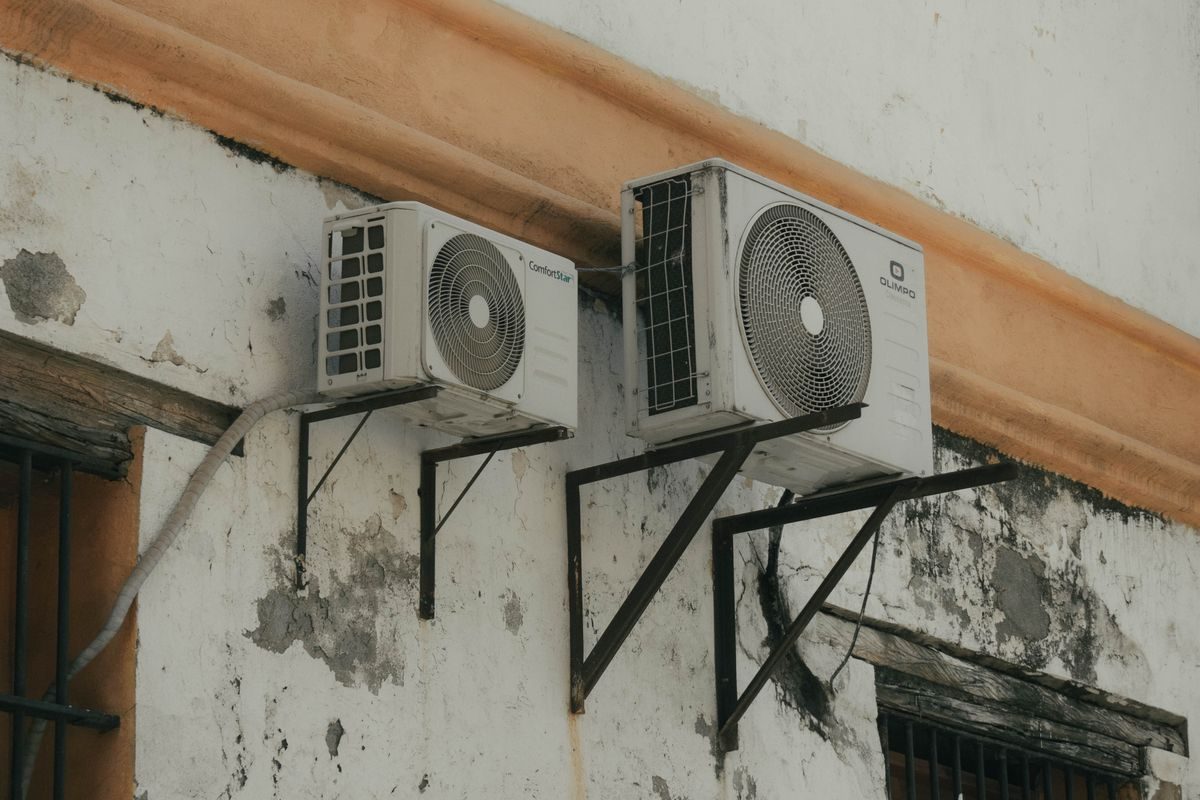
The aircon. Dirty filters and coils make the compressor, the part that does the cooling work, run longer for the same cooling, and split-type and window units in shops run most of the the day. An aircon technician can clean the coils.
The cold storage. A worn or torn door gasket, the rubber seal around the door, leaks cold air, so the compressor cycles more. Test it by closing the door on a sheet of paper. If the paper slides out easily, the seal is weak. A weak seal means the fridge works harder to hold the cold, and that extra work shows up on the meter.
The wiring. A loose connection or overloaded breaker runs warm. That heat is power you pay for and never use.
High electricity bill for a small business: when to call an electrician, and what it costs
Filters and the paper test are yours to do. The panel is not. Watch for a warm or discoloured breaker, a buzzing panel, or a breaker that trips in the afternoon heat. Those signs mean you call an electrician, not a DIY job. Of the last 9 electrical jobs we closed, 4 started as a call about power going out in part of a building. A warning sign left alone tends to end as an outage. You can stay on top of the small stuff. But the panel decides whether your lights stay on.
Most electrical jobs we’ve closed since August landed between ₱700 and ₱6,000 in labour, based on 8 of our last 9. The range is wide because the work was: a fixture swap sits at one end and a whole-room fault at the other. Breaker, panel and wiring diagnostics are quoted after assessment, since nobody can price the inside of a panel before an electrician opens it. Aircon cleaning or repair for a business unit is quoted after assessment too, because it depends on the unit type, how many you have and how easy they are to reach. If you don’t want to track any of this yourself, a maintenance plan puts the checks on a schedule.
Indicative Metro Manila ranges as of November 2026, based on KuyaYos booking data. Actual quotes depend on site assessment.
Book through the link and we send an electrician who checks the panel, the wiring and the units that run all day before giving a price. Every one has TESDA or equivalent certification, NBI clearance and verified work history, and if you do not like the first one or the quote, we re-match you with someone else for free.
Common questions
Why is my electricity bill so high when we use the same equipment?
Your equipment draws more power in hotter weather, and dirty aircon filters and coils make the compressor run longer. Worn fridge or chiller seals leak cold air too. Meralco’s rate also rose in October 2026, mostly from a generation charge jump. Read your meter at closing time and again before opening time to see what runs overnight with nobody working in the shop.
Does the Meralco refund lower my business bill?
The Energy Regulatory Commission approved the refund, starting with November billing over six months. The reported household share is ₱0.1733 per kWh, smaller than the ₱0.3191 October increase. Reports give only the household figure, so check your bill. Your usage still decides most of the bill.
How do I know if my breaker or wiring is wasting electricity?
A loose connection or an overloaded breaker runs warm, and that heat is power you pay for and do not use. Signs include a warm or discoloured breaker, a buzzing panel, or a breaker that trips in the afternoon heat. This is a job for an electrician, not a DIY job. Do not ever open the panel yourself.
So tonight note your meter at lock up and in the morning; if it moved beyond what your fridges and CCTV use, book someone.