Blog
In-house vs outsourced hotel maintenance comes down to 4 questions.
A handyman on payroll feels cheaper because the cost is fixed. Whether it is depends on what breaks, who is allowed to fix it, and who is around in December, and most owners don’t count all three.
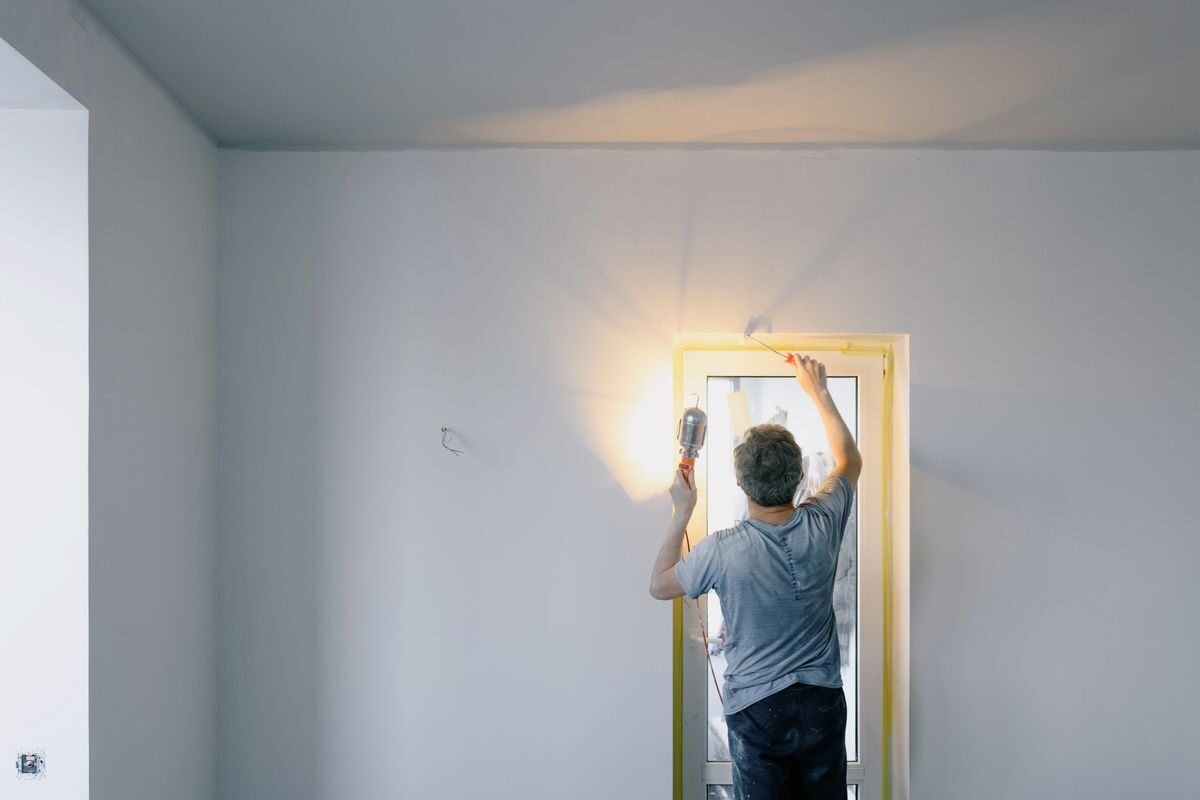
Hiring a handyman on payroll feels like a reasonable instinct because the handyman knows the building, gets there in minutes, and the cost stays the same every month whether or not anything breaks. But the real question in in-house vs outsourced hotel maintenance is not whether a person on payroll is handy enough to cover the week. The question is whether one person covers what actually breaks, at the price you are paying, in the week you need it. Four questions settle it.
1. How many trades did your last ten repairs need?
Before you decide anything, pull out your last ten repair receipts or messages and sort them by trade. Look at what you actually paid for. In the jobs we closed since August, the work spread across seven trades, plumbing was 40 of the 93, and leak repair was the most common single job at 24. That tells you where the trouble lives. You need to understand how jobs grow. Once a tradesperson opens something up, the real scope shows up. In our leak repairs, 17 of the 24 closed above the first estimate, meaning the problem was bigger than it looked. That is the hidden cost of small repairs.
DIY check: Pull the last ten repairs, sort by trade, and count the trades. Call a pro if: more than two trades show up, or the same leak keeps coming back. If the same leak keeps coming back, have a plumber find where it starts.
2. What does a full-time hire actually cost you?
The current NCR minimum is ₱755 a day for non-agricultural workers, or ₱718 for service establishments with 15 workers or fewer, which means many operators assume this daily rate covers everything, but the total monthly picture is different when you account for the full schedule.
Think of this as an illustration, not a real payroll. At 26 working days a month, ₱718 a day equals ₱18,668 in basic pay, while the same schedule puts ₱755 a day at ₱19,630.
Additions sit on top of that base pay, because contributions, 13th month pay, tools, and leave all get added in before you see the final total, and a salaried handyman is paid on quiet days too. The cost stays fixed whether or not anything breaks, so the amount you pay remains constant accross the entire month.
So the real comparison is that monthly number against what you actually spent on repairs, which helps you stop guessing and start planning for future maintenance. Here is what the common jobs cost when you book them one at a time.
| Job | Indicative range | What drives the price |
|---|---|---|
| Leak repair | ₱850–₱3,900 | Exposed pipe or inside a wall, how far the damage spread (21 of the last 23 jobs) |
| Fixture install or replace | ₱700–₱2,300 | Faucet, bidet, shower or water line, and whether you supply the part (7 of the last 8) |
| Clogged drain | ₱1,000–₱3,500 | Sink, floor drain or main line, and how much grease has built up (5 of the last 5) |
| Electrical panel or wiring, roof leaks | Quote after assessment | Too few closed jobs of one kind to publish a fair range; scope shows once the panel or roof is opened |
Indicative Metro Manila ranges as of November 2026, based on KuyaYos booking data. Actual quotes depend on site assessment.

3. Which jobs should one person not take on alone?
Some repairs should never land on one general handyman. Breaker panel and wiring work needs a dedicated trade, roofing work at height requires a specialist too, and aircon repair beyond cleaning filters falls into that same category. In a hotel, these jobs stay guest-facing. A botched electrical or roof job in a guest room turns into a refund and a review. Bring in an electrician for the panel work and a roofer for anything at height.
Skip the general handyman when the job demands the right trade. When you hire for these heavier tasks, look for KuyaYos tradespeople with TESDA or equivalent certification, NBI clearance and verified work history.
4. Who covers the room you need back in December?
When December arrives, one person on payroll becomes a single point of failure. Domestic travel surged across the country over the last Christmas break in December.
If a worker on payroll gets sick, takes leave, or has a family emergency, you are calling around for a tradesperson in the busiest week. A light in-house person covers the daily small jobs like bulbs, hinges, filters, and minor caulking. For the serious work, keep outside trades on call for the plumbing, electrical and roof work, or put the checks on a maintenance plan. The weeks before peak season are the time to line this up, and our guide to timing your maintenance before peak season covers how.
Want the right trade on call before December?
Book through the link and we send the trade you need. Each with TESDA or equivalent certification, NBI clearance and verified work history, they examine the job before offering a quote. If you are unhappy with the first one or their quote, we set you up with a different tradesperson again for free.
Your handyman fixes the hinge, but someone fixes the panel in peak week.