Blog
El Niño preparation at home. The refill matters more than the tank.
Your tank size is the wrong thing to worry about. The real question is whether your tank refills in the few hours the water comes back.
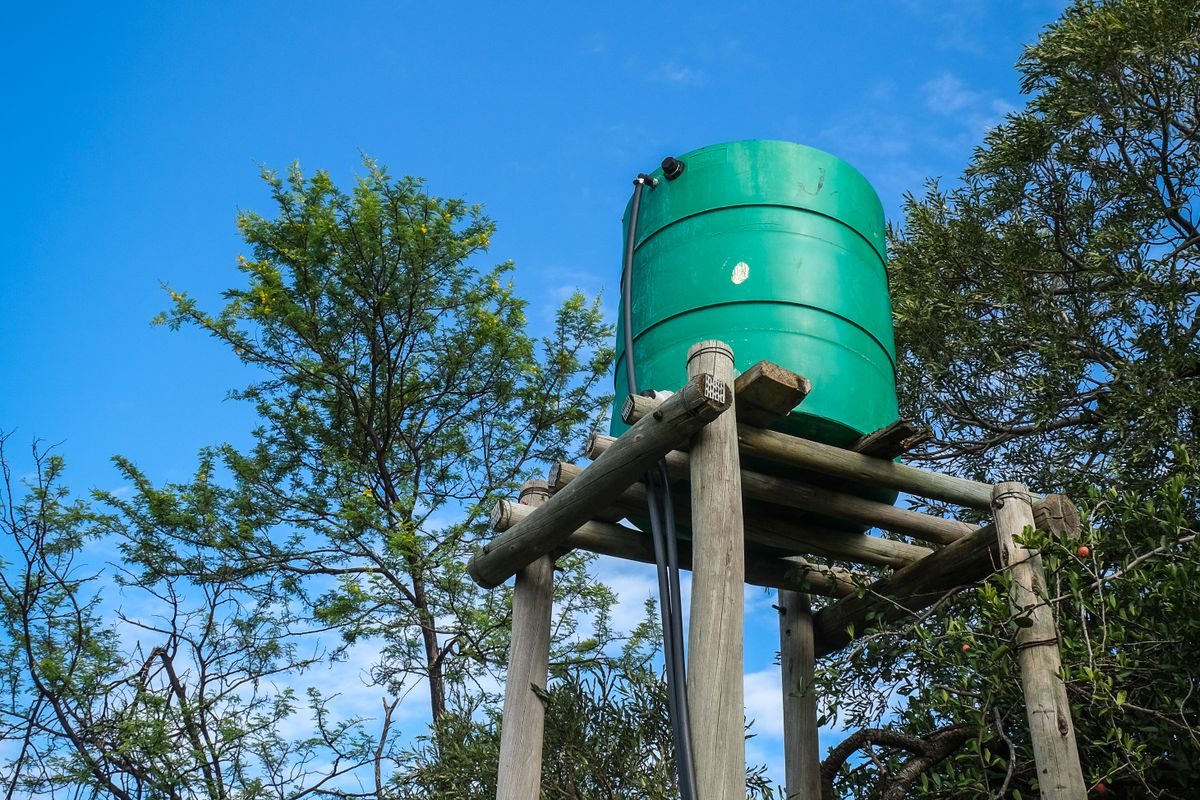
One thousand litre tank.
Four people.
One day with no water from the line.
Kakasya ba?
Most people answer by looking at tank size. The better question is whether it is full when that day comes. A float valve tells the tank when to stop filling, and fixing or replacing one costs ₱700 to ₱1,500 in labour on KuyaYos. A pump that ran all night with no water in it is a different, bigger problem.
Now is the time to check. PAGASA says El Niño is strong to very strong and expected to last through the first half of 2027.
How El Niño reaches your tap
Angat Dam still looks fine today. It supplies about 90% of the water in the MWSS service area, most of Metro Manila. You see, the people running it are already saving water. In July 2026 the level fell to 150.42 metres, lower than the 157.96 metres of 2019, the year Metro Manila had rotational water interruptions.
Monsoon rains brought the recovery. But MWSS regulators are already reducing water drawn from Angat to build a buffer before the dry months of early 2027. The squeeze comes in the dry months, not today. The dam looks fine. Just wait.
Why some houses feel it first
Two houses on one street can have very different dry seasons. Houses on higher ground or at the far end of the distribution line lose pressure first when supply is cut. If your water is already weak in the afternoon, you will likely feel a cut first. Our low water pressure guide explains where it starts. Three home setups:
- Straight from the line, no tank. No buffer to hold anything back.
- Overhead tank fed by gravity. A buffer only if it refills while water flows.
- Ground tank plus pump. The biggest buffer, but most parts can fail unnoticed: the float valve, the pump, and the switch that should stop the pump when the tank is empty. The ground tank with a pump is the one most likely to fail quietly.
What it means when your tank won’t refill
When the water supply is tight, pressure drops and the hours with water get shorter. The tank only refils during those hours, so a short window means a short day. Three warning signs should send you checking things right away.
- The tank is only half full in the morning, even though the water came back overnight.
- Water keeps running out of the overflow pipe, even when the tank is full, because the float valve is stuck open and wasting water.
- The pump hums but little or no water reaches the tap, because it is running dry.
A 2,000-litre tank that only fills halfway in a short refill window works like a 1,000-litre tank. It is a pity, really.
El Niño preparation at home: what to do this November
Count your buffer in days, not litres. Read your water meter twice, 24 hours apart, to get your household’s real daily use. Divide what your tank holds by that number. The answer is your buffer in days.
Do the refill test. Mark the water level at night before supply comes back, then check again when you wake up. That gives your real capacity.
Check the float valve. Once the tank is full the water should stop. Water running out of the overflow means it is stuck open. Stopping early when the tank is not full means it is stuck or badly adjusted.
Find the pump cutoff. With a ground tank and pump there should be a float switch that turns the pump off when the source tank is empty. If you cannot find one, there probaly is not one.
Fix leaks now. Every leak drains your buffer. Leak repair is the most common plumbing job we have booked since August. Catch leaks early and your buffer survives longer. Our hidden leak guide has a five-minute meter test.
When to call a plumber
Call a plumber if:
- The overflow will not stop, or the tank will not fill even when the water is strong. That is the float valve.
- The pump has no cutoff, or keeps switching on and off. A pump that runs dry can ruin its seal or motor within hours.
- You want a bigger tank or a booster pump. Usually the refill is what needs fixing first.
If you run a rental, apartelle or small business, the list is longer, and our El Niño guide for hotels and apartelles covers it.
What it costs
These are labour prices from completed KuyaYos plumbing jobs. Materials are quoted separately at supplier price.
| Job | Indicative range | What drives the price |
|---|---|---|
| Float valve or fixture repair / replacement | ₱700–₱1,500 per fixture | Type of valve or fixture, part fix or full replacement |
| Leak repair | ₱850–₱3,500 | Exposed pipe or inside a wall, how many points are leaking |
| Booster pump, pump cutoff or added tank | Quote after assessment | Pump type, length of the pipe run, where the tank sits |
Indicative Metro Manila ranges as of October 2026, based on KuyaYos booking data. Actual quotes depend on site assessment.
One visit for the tank, the valve and the pump
Right now there is no queue. On a hot April afternoon there will be.
When you book a plumber through KuyaYos, they check the whole setup, from the meter to the pump, before giving you a price.
Common questions
Will El Niño cause water interruptions in Metro Manila?
No interruption schedule has been confirmed. MWSS regulators are already reducing how much water is drawn from Angat Dam to build a buffer. PAGASA expects El Niño to last through the first half of 2027. In 2019, when Angat dropped low, Metro Manila had rotational interruptions. Watch advisories from Maynilad or Manila Water for updates.
How do I know how many days my water tank will last?
Read your water meter twice, 24 hours apart, for real daily use. Divide what the tank holds by that number. Then do the refill test. If the tank does not fill overnight, your real buffer is smaller than the label says. The refill test shows the true figure.
Why won’t my water tank fill even when the water is back?
Usually one of three things. A float valve partly stuck and closing too early. A clogged strainer or a small inlet line. Or weak pressure from the line. If water keeps running out of the overflow, it is the opposite problem. The float valve is stuck open and wasting water.
Do I need a booster pump for El Niño?
Not always. A booster pump pushes water from your tank to your taps. It does not add water coming from the line. If you install one, it needs a low-level cutoff so it does not run dry. Have the tank and float valve checked first.
Do you know how long your tank takes to fill?
Book a plumber and we check the float valve, the pump cutoff and how your tank refills before giving you a price. Weekday bookings are confirmed within the same business day.
One thousand litre tank. Four people. One night to fill it.